Skip to content
Arixent

Product Engineering

Modernization & Managed Engineering

Re-platform, re-architect and keep shipping, with a team that runs the product after launch.

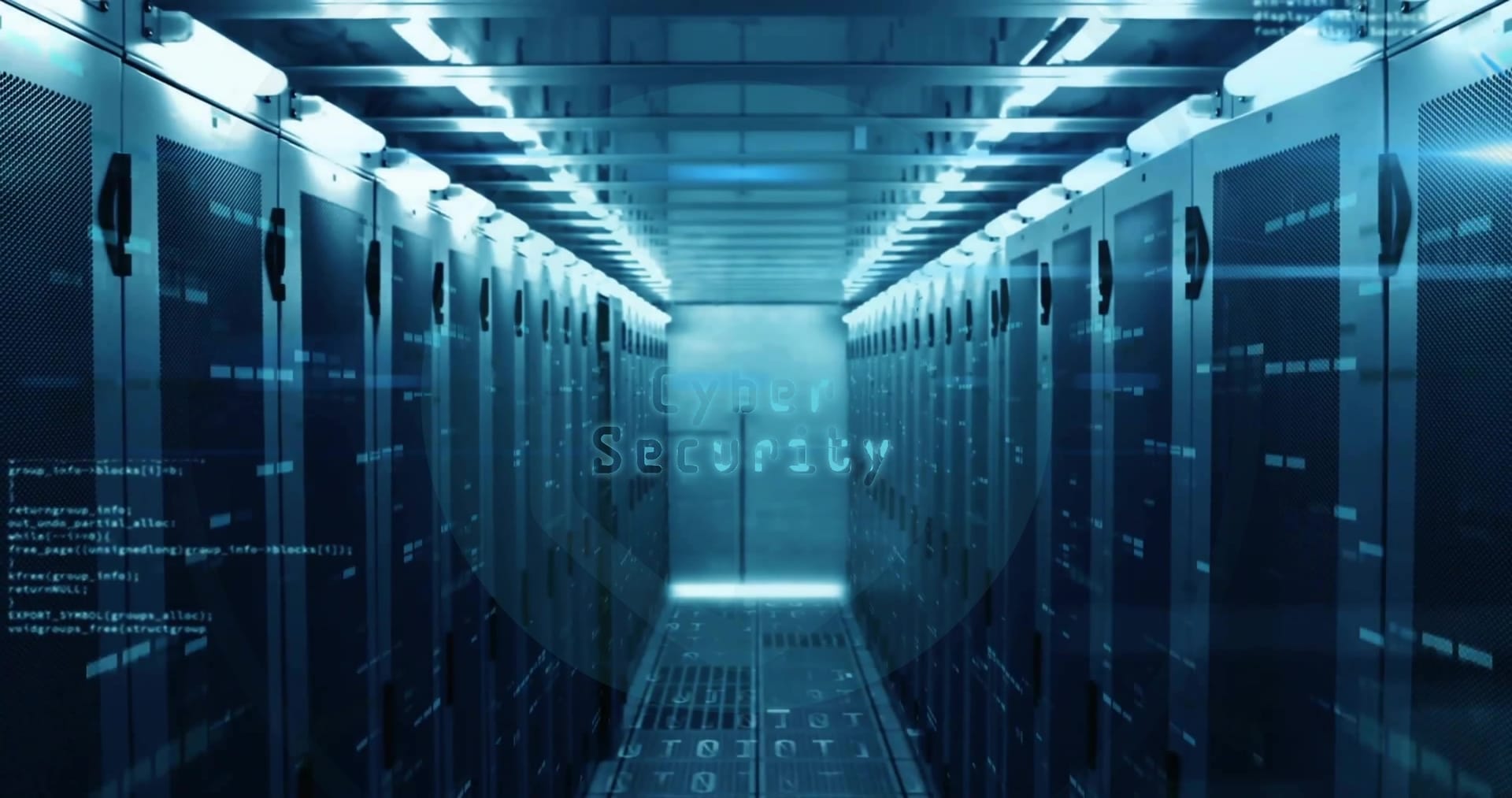
Server room corridor lit with a cool blue glow

Overview

Legacy systems are usually legacy because they worked: they made money, ran the business and outlived the people who built them. Modernizing them is a matter of respect and risk management. We re-platform, re-architect and rewrite incrementally, so the business never stops and every step delivers something usable.

Our modernization work is grounded in a clear-eyed assessment of what to keep, what to replace and in which order, with the data migration, integration and testing that make the difference between a clean cutover and a very long weekend.

This page also covers the managed engineering and support that keeps a modernized product running after launch.

Offering 1

Product and legacy modernization

Legacy systems are usually legacy because they worked. We re-platform, re-architect and rewrite incrementally, so the business never stops.

Modernization assessment

Codebase, architecture, data and dependency review with a prioritized, risk-rated plan.

Re-platforming

Moving applications to cloud infrastructure and managed services with minimal code change.

Re-architecture

Decomposing monoliths, introducing APIs and services, modernizing data access.

Incremental rewrite

Strangler patterns that replace functionality piece by piece behind stable interfaces.

Typical use

  • Products on unsupported frameworks or languages that are hard to hire for
  • Monoliths that make every release risky and slow
  • On-premises applications moving to cloud
Offering 2

Managed engineering and support

Products in production need steady hands: features that keep coming, bugs fixed quickly, dependencies kept current and incidents handled with clear service levels.

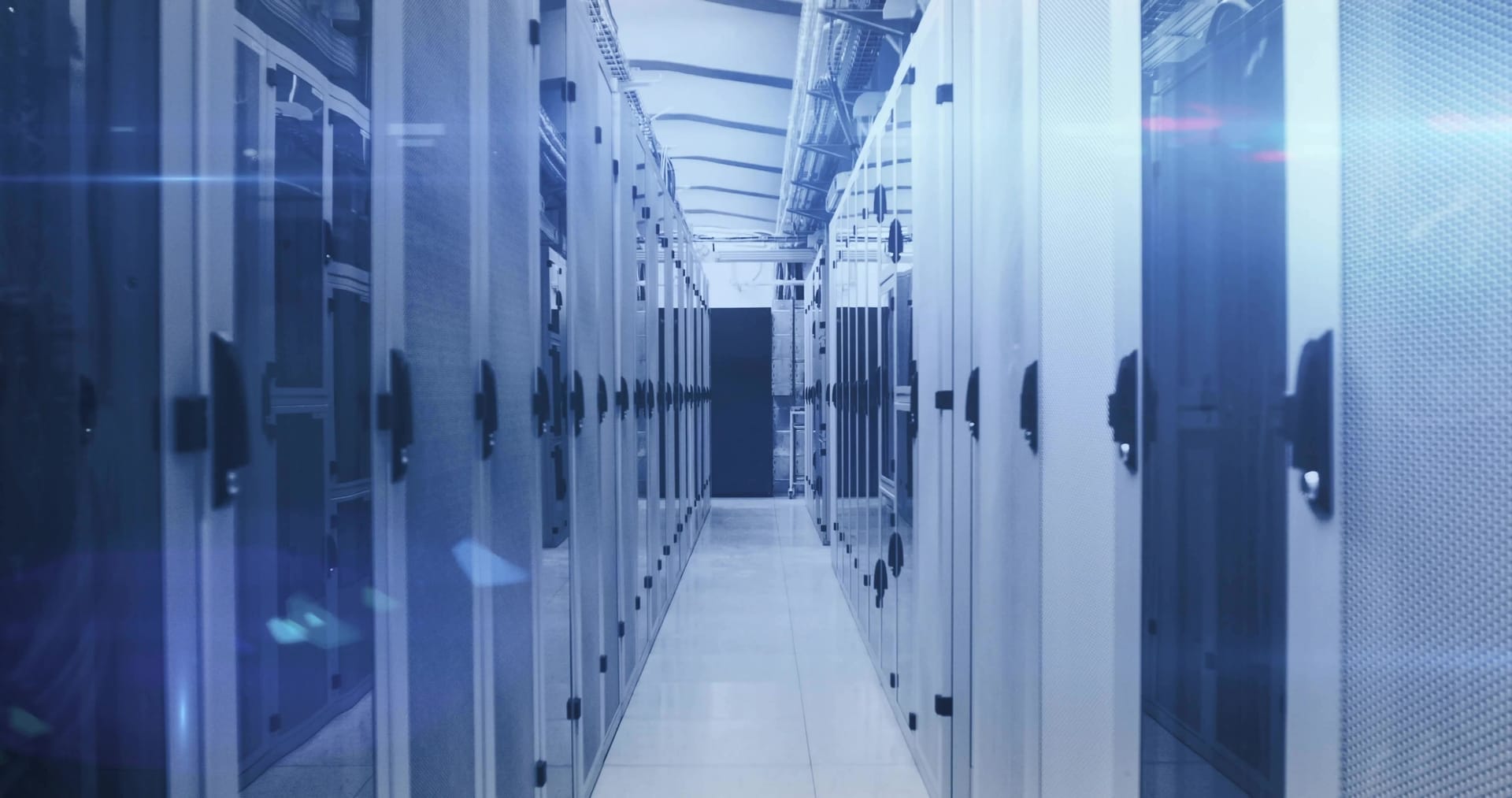
Central aisle of a data center with rows of server cabinets

Ongoing feature development

A steady cadence of enhancements prioritized with your product owner.

Maintenance and upgrades

Dependency updates, platform upgrades, security patches and technical debt reduction.

Production support

Incident response, root-cause analysis and communication with agreed service levels.

Monitoring and reliability

Observability, alerting and SLOs that catch issues before users report them.

Typical use

  • Products whose original team has moved on or been reassigned
  • SaaS companies that want engineering capacity without growing headcount
  • Enterprises with business-critical custom applications and no in-house team

Want this for your product? Talk to an engineer who has built it.

How we work

How we deliver

  1. 01

    Assess

    Understand the system, its users, its data and its risks; agree what modern means for you.

  2. 02

    Plan

    Sequenced roadmap with quick wins, dependencies and a testing strategy.

  3. 03

    Modernize

    Incremental delivery with automated tests, parallel running and continuous deployment.

  4. 04

    Cut over and retire

    Rehearsed cutovers, decommissioning and knowledge transfer.

Stack

Tools we work with

We are neutral on tooling and pick what fits your environment, your team and the cost you can sustain.

  • Java, .NET, Python, Node.js, TypeScript
  • React and Angular front ends
  • Spring Boot, ASP.NET Core
  • PostgreSQL, SQL Server, Oracle
  • Kafka
  • Docker and Kubernetes
  • AWS, Azure, GCP migration tooling
  • automated testing frameworks
  • Datadog, Grafana, Sentry
  • Jira, ServiceNow

Bring the problem. We bring the team.

FAQ

Questions we hear often

Next step

Ready when you are.

Tell us what you are trying to build and we will come back with a point of view, not a pitch.